Corrosion resistance
Designed to perform against humidity, salt, chlorine and demanding weather conditions when correctly installed and maintained.
 Professionals
Material · Marine-grade stainless steel
316L stainless steel is the material foundation of SINED Water: selected for its performance beside pools, on the coast and in demanding indoor and outdoor environments.
Discover the materialLow carbon · Molybdenum alloyed · Marine grade
01 / What is 316L?
316L is a low-carbon austenitic stainless steel containing molybdenum. That combination improves resistance to localised corrosion caused by salt, humidity and chlorides—conditions commonly found around pools, coastal architecture and wellness spaces.
02 / Why 316L
Designed to perform against humidity, salt, chlorine and demanding weather conditions when correctly installed and maintained.
Molybdenum provides added protection in coastal, poolside and high-humidity environments compared with more conventional stainless steels.
Mechanical stability and resistance to wear support reliable everyday use in residential, hospitality and contract projects.
The smooth, non-porous surface is easy to clean and appropriate for spaces where hygiene and contact with water are essential.
Simple, regular care helps preserve the appearance of the steel without coatings that conceal the base material.
Stainless steel can be recycled without losing its intrinsic material qualities, supporting a more circular approach to design.
03 / The difference
The essential difference is simple: 316L contains molybdenum. This strengthens the steel’s protection when water contains salt or chlorides—the conditions found beside the sea and around swimming pools.
Coastal air, pool water and humidity create a more aggressive environment than an ordinary interior.
Its presence helps 316L resist localised corrosion more effectively than conventional 304 stainless steel.
A more appropriate material for showers, taps and water systems designed for outdoor, poolside and coastal spaces.
316L greatly improves material resistance, but it still requires correct installation, regular rinsing and appropriate maintenance.
04 / PVD finishing
PVD—Physical Vapour Deposition—is an advanced process that deposits a very thin decorative and protective layer onto the stainless-steel surface. It creates refined colour while enhancing surface hardness, wear resistance and colour stability.
A hard, precisely controlled surface layer.
Better protection from normal everyday contact.
An additional barrier over the 316L base.
Consistent, enduring architectural tones.
05 / The finishes
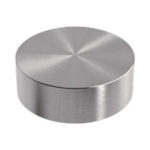
Inox
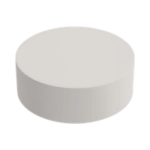
RAL 9016
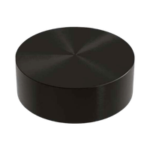
RAL 9005
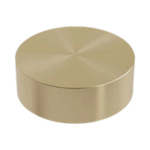
PVD
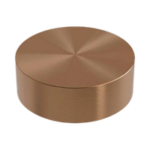
PVD
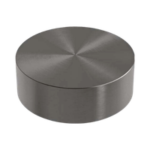
PVD
Colours shown on screen are indicative. Request a physical sample when precise specification is required.
06 / Certified quality
SINED products are developed to meet recognised requirements for safety, hygiene and durability. Certification scope can vary by product and destination market; always consult the corresponding technical documentation.

Tested against relevant requirements for reliable, safe and durable plumbing components.

Selected components are approved for hygienic contact and use within potable-water systems.
Applicable products comply with WaterMark requirements for quality, safety and performance.
07 / Care
Rinse regularly with fresh water, especially after exposure to salt or pool chemicals.
Clean with a soft cloth and neutral detergent; rinse and dry following the grain.
Avoid steel wool, abrasive pads, chlorine-based products and aggressive acids.
Follow the product manual and seasonal-care instructions for local climate conditions.
For architects & professionals
Request finish samples, technical information or support for your next water project.
Start a conversation